Friday, September 09, 2011

Sarajevo: Cevapi for the End of Summer

Summer is winding down but I managed to squeeze one last road trip out of it before the temperatures cooled down. I met my son, Aron, in Sarajevo, keeping good on a birthday promise that I would show him the best cevapcici in the world. And Sarajevo has just that, along with a beautiful Ottoman style old city and enough history to keep an eighteen year old history buff occupied for four days. It's been two years since I last visited, and I have had a yearning to come back ever since. It is a city of heroes, a city of survivors, and a city in the midst of renovation and rebirth. Oh… and coffee.Aron has developed into something of a coffee fanatic, and Sarajevo is a coffee obsessed city. Unlike the tea addiction that characterizes Istanbul or Skopje, my other two favorite Ottoman cafĂ© cultures; here you have Bosnian coffee at every corner. Essentially, it’s the same as Turkish coffee, but like a lot in Bosnia, it comes cheaper here than elsewhere – with the Bosnian mark running two BM to one Euro, coffees cost fifty Euro cents.With rooms renting out at 15 Euro each, and a plate of the world’s best cevapi going for 3 Euro, Sarajevo is a place I can afford to kick back and enjoy without feeling like I need to have an ATM machine strapped to my back. When I lived in Skopje, Macedonia, during the hyperinflation era in the late 1980s my Macedonian friends had a term for spending the day passing the time in cafes rather than pursing the protestant work ethic in a deflating economy: badialdzija. Its from an old Turkish term meaning “producer of nothingness.”They were masters of badialdzija, spending the days sipping tea with art students in Skopje’s old town and nights drinking rakia. I used to change a US $20 bill at the bank and walk away with a shopping bag of Yugoslav Dinars, enough to pay for cevapi and teas for my whole crowd of lazy intellectuals and shiftless Roma and Turkish sufi friends. Sarajevo brings me back to that vibe. Aron is a hardworking, industrious kid, and he desparately needed to be taught a lesson in Balkan sloth. With temperatures outside at the hottest of Europe’s this summer (38 c. or 98 Fahrenheit) there was little to do except sit in the shade of the coffee houses and watch time pass idly by.After his discovery of Bosnian coffee – served in a finjan that will fill two small cups after a nerve-wracking wait for the muddy dregs to settle, accompanied by a wad of loukoum, a soft Turkish sweet to take the edge off the bitterness – my son had a goal. He would himself become a master of Bosnian coffee. So, off to buy a coffee set.The street of coppersmiths had all manner of coffee paraphernalia on sale, but thinking better of it we wandered just a bit outside of the Bascarsija center to a small copper shop I had seen on a siise street near the Bascarsija tram stop. Aron picked up a set at 20% cheaper than our lowest negotiated price in the market. And then there is Bosnia's entry in the world of ground meat: cevapi. Of course, we can digress endlessly on where you can find the best cevapi, and I have on these pages previously, but there is no way out of presenting the latest in cevapi porn here again.Zeljo’s is usually mentuioned as the Big Daddy of Bascarsija cevapdzinicas, with two locations located on opposite corners. Zeljo’s meat is excellent, but they differ from other cevapdzinicas in the way they serve their spongy somun flatbread toasted but not dipped into a broth to dampen it while toasted on the grill. For that, try the cevap at Hodzic’s, which has spread into a mini empire of cevap houses all over the old city (named, appropriately, Hodzic #1, Hodzic #2, etc.)Cevap slightly bigger, and the somun bread is fluffier and dipped in some broth before being toasted. How many hours of my life have I spent arguing with friends whether Zeljos or Hodzic is better? How many more will I waste? Hmmm... How about something completely differnt. So different as to almost comprise a completely alternative food group? How about... the Banja Luka style cevapi! The Banja Luka style cevap served at Kastel is still one of my favorites.The Banja Luka style means that the cevap are made somewhat smaller, but served in bricks stuck together, which preserves their juicyness, and an even damper steamed bread. Apparantly, in Banja Luka itself, which is now in the Serbian Republic, the secret ingredient is a bit of pork mixed into the cevap meat mix. That doesn’t roll in Sarajevo with a Muslim majority population and a very large population of Muslim refugees resettled from Banja Luka. I noticed this elsewhere in the Balkans: cevap places often prepared their products with a stated intention of being off limits to Muslim minorities. This reaches its most absurd peak in Bulgaria, where almost every meat product available is made from ground pork, unlike Turkey, where beef and lamb rule. Needless to say, Bulgaria is not a culinary standout. One final cevap discovery came when we took a tram ride to the far end of Sarajevo – in the Ilidza neighborhood out near the Sarajevo airport. Ilidza was heavily bombed during the siege of Sarajevo, and many of the ruined buildings along the tram line have still to be renovated or bulldozed, and then you arrive in a cement city center evocative of communist times when pleasant architecture was secondary to providing quick cheap housing for the proletariat masses. We had been hoping to connect to visit either the famed tunnel museum or go out to the beautiful park in Vrelo Bosna, but a lack of information and the baking heat drove us into the nearest lunch joint.Excellent cevapi for 3 BM (Euro 1.50) Given that I live in a country that lacks decent hamburgers, I can get by knowing that an annual trip to Sarajevo (only Euro 54 round trip on the train, albeit an 11 hour gruling slog through Slavonia) will keep me fueled for a year’s worth of excellent ground beef goodness. Oh, and did I mention that we visited during the final days of Ramadan? I will in my next post.

Monday, August 22, 2011

Sziget Festival: the Klezmatics, Socalled, and some guy named "Prince."

The Sziget Festival ended last Sunday, and oddly for me, I was in attendance for three days of the festival. Oddly, because usually I am never in Hungary in the beginning of August when it takes place, and also oddly, because I don’t really like going to gargantuan rock festivals that host thousands of unwashed party people in rapidly deteriorating states of sobriety for a week of drum and bass lines wafting in from several competing stages all at once. On the other hand, it is fun, if you like that sort of thing. And Sziget is the big one in Europe: from modest beginnings as “Student Island” back in the early 1990s the festival has grown into one of the world’s largest festivals, an uncomfortable marriage of retro-hippie crunchyness meets music industry commodification and has a baby that is drunk and eating dodgy fried foods on an island in the middle of the Danube. But I have to admit. It is fun. It would be a lot more fun if I was 20 years old and thought pouring beer over my head was a viable artistic statement, but, in my own geezerly manner, I had fun.The festival usually lasts a week, with day tickets running around $60, but the first day of the festival was deemed “Zero Day” which meant that if you had a week pass you still needed a special ticket for Zero day unless you were camping on the island. People could gripe about that, but the Big Act was none other than... get ready... Prince. Originally the headliner was to have been Amy Winehouse, but given that Amy checked out of Rehab for good last month, we got Prince. Prince does not do drugs of any kind. Probably a very good thing.The Klezmatics had a good time with their set. Amid the classic Klezmer they did a lot of their recent work based on original compositions and arrangements from their forays into Gospel music and Americana folk. A large number of the audience knew the lyrics to their songs, not surprising given that the ‘Matics (or one of their satellite formations) have played nearly every Sziget Festival for the last twenty years.This was acknowledged later by the US Ambassador to Hungary, Eleni Tsakopoulos Kounalakis giving them an official award for promoting Cultural Diversity. And most importantly, they got me a backstage pass. And the catering backstage far outclassed anything to be eaten elsewhere on the island. Thanks Klezmatics!We also caught a bit of Boban Markovic’ Brass Band from Serbia, another band that plays here nearly every year. Serbian Gypsy brass band has been avidly embraced by the Hungarian festival crowd as the official "We are Nearly Balkan" party music of Hungary. Oh, and there was Prince. Yes, that Prince.After the Klezmatics set I went out with Frank London, Dave Likht, and Lisa Gutkin to check out the Artist Who Previously Was Weird About His Name, along with about 10,000 other concert goers in a huge field. It was pretty damn funky. Frank and Dave went into music analysis mode. Here you had the 53 year old Prince fronting a five piece band, kicking out the jams and almost entirely avoiding the use of sequencers and other electro-digital tricks of modern arena stage acts. Basically, rocking the house with a five piece funk band. Impressive. Very impressive. And he played an hour set with an hour of encore. Not shabby, Prince. Not shabby at all.I was back two days later when the Klezmatics asked me to join them for an impromptu jam set at the US Embassy tent. Given the political atmosphere in Hungary this year, the US Ambassador has been using her influence to try and steer Hungary back on the road to something resembling a democratic state. We wish her the best of luck in her sysiphean task, and each day the Embassy tent featured a different multicultural act playing for whoever stumbled by. For us, it was just a fun day out for jamming and iced coffee.Matt Darriau’s new bride, Katie Down of the UkuLadies even sang a Sephardic Jewish song from Turkey that blew me away, all the more so for being accompanied by ukulele. The Klezmatics had to travel the next day, and wanted to enjoy the fancy hotel that the Embassy had arranged for them, so they left and I wandered over to the Roma tent. As the Sziget has become more commercially oriented, the funkier folk music events of the past have shrunk and what is left of the original Sziget alternativo feel resides at the Gypsy tent.Mixing local Roma bands and up and coming international acts, it’s a cozy atmosphere, with performers hopping off the stage to greet their friends and – besides fried langos - probably the most “Hungarian” experience on the Island for most f the predominantly foreign festival goers. We caught the amazing Roma Rap from Sutka (Suto Orizari, the majority Roma suburb of Skopje, Macedonia.)These guys are the generation of Gypsies that grew up watching rap videos on MTV, and they have it down - including rapping in staccato Balkan Romani and doing it to the accompaniment of a live Macedonian brass wedding band. Some days you can wander into the Gypsy tent and make some amazing discoveries, This was one of them. Also on the bill was our good buddies from Belgrade, Dragan Ristic and KAL.Three days is almost enough for me, but DJ Socalled called, and when Josh Dolgin says so, you got to move. I travelled with Josh on his epic Ukrainian journey in 2007, and worked with him on Geoff Berner’s recording session in Montreal last year, so who was I to say no to comp tickets. The show was booked early in the evening, so the crowd was light (seeing as The National was playing on the main stage at the same time) but everybody loved Socalled's decidely strange stage show. If you have Katie Moore on vocals and Mike Winograd on clarinet, you can get as strange as you want and still pull off a great show. Josh can make klezmer very funky, and his antic way with stage presence – including doing magic tricks, rapping puppets, and working Allen Watsky’s shirt changes into the show, he grabbed he crowd and held them where he wanted them.

Josh even arranged for Aron to get backstage. Aron, of course, was running off to catch The National at the big stage, but stayed long enough to say hello to the rapping puppet.After the set, we ran off to check out the Gypsy tent again, and the Socalled crew was able to catch the second half of the Tecsoi Band's set with Kiss Ferenc in something called the Karpati Roma Project.

Monday, August 08, 2011

A Gypsy Musician's Funeral in Transylvania

Been a bit too lazy for frequent updates to the blog, folks. Summer seems to have bypassed Europe this year, with cold weather and rain nearly every afternoon. It’s like an endless April that won’t go away, except for the occasional scorching hot day to turn the damp soil into a steamy fermented stink brew that means you can only go out at night. But I was lucky this year: I got to Transylvania early, in May and June. Traveling around with my musical colleagues Jake and Eleonore with Scribbling Mystery Guest in tow, we managed to visit several great old style musicians, both living and dead. When I started traveling around Romania with a tape recorder looking for traditional music in the 1980s, I was convinced that the folk music was on the verge of disappearing. I, very fortunately, was wrong. In some places it has remained, in others it has changed, in some it has gone out of fashion entirely, but it is still there. Every year I meet a few visiting foreign musicians who want to collect folk music in East Europe, asking me for advice. What you need is simple: working knowledge of about three languages that are not taught at your local community college, a recording device, and a pocketful of cash, preferably won at the track or a casino so that you are not too attached to it. Musicians like cash. They like it very, very much. And traditional musicians – particularly professional Gypsy musicians – do not play because they love you and your deep respect for their heritage and want to share with you. Oh no. They play for cash. As Antoine Baptiste says in the TV series Treme “Play for that money, boys. Play for that f***ing money!"While I was in Cluj/Kolozsvar we were set to visit the village band in Sopor, but a phone call to the band leader revealed a small problem. Could we loan him a few hundred Euro? Now, within Roma culture borrowing money is a sign of acceptance within a family or clan. You should be proud that you are so accepted that you are now part of the great economic web that feeds the tradition. However, a loan doesn’t really mean a loan in the accepted sense. Basically, if you lend anybody money east of Vienna, it is a gift. Same problem happened with Palatka – a tour had been cancelled and the band was on high alert for any new source for a float and could we get out to the village as soon as possible with our pockets stuffed full of lovely cash? Er, maybe not. In the end, we lucked out. We went to visit a musician who had no cash flow problems at all. We went to his funeral.

In Cluj I met up with Raoul Weiss, the Alsatian polymath, linguist, and gourmet who also happens to be the Palatka Band’s friend and sometime French manager. Through Raoul we got a hot tip that Iosif Ghemant, the primas (lead violinist) in Gherla (Hungarian Szamosujvar) had passed away and was being buried the next day. Without a clue to where the funeral was taking place (or, in fact, the name of the deceased at the time) we drove forty minutes east to Gherla and started asking around. Nobody knew about a funeral, so we asked where the cemetery was, and drove in that direction. Sure enough, on a near the outskirts of town we saw some musicians in suits turn down a street and followed.A large crowd of Gypsies was gathered in front of a house, and dozens of musicians waited outside. The deceased was Iosif Ghemant, who had led the local folk orchestra and it was time to pay proper musician respect by fiddling the man to his grave. Nobody made any comment about our obviously foreign presence. When musicians slag each other off they often comment “And how many musicians will there be at your funeral, huh?” In the case of Iosif Ghemant, quite a lot. Much respect. And so a few foreigners just adds to the prestige of the event.As people arrived they were ushered into the house to pay last respects to the deceased, and suddenly I found myself escorted inside by the violinist’s son to view the open casket, surrounded by weeping daughters and wife. I excused myself and returned to the yard just as the band began to play.Gherla is smack dab in central Transylvanian plains, the Mezoseg, and the music here is fiddle music, accompanied by the three string kontra viola and bass. Gherla, however, is one of the places that started adding modern instruments after WWII, and saxophones and accordions became accepted in lautar bands here, while in the nearby villages such as Szek and Ordongosfuzes the string bands maintained their primacy.

Ghemant was one of the musicians who played on one of the now-forgotten Argo folk music series recordings that I heard decades ago when I was just beginning to learn about Romanian folk music. He was one of the musicians who straddled the border between tradition and folklorized arrangements, and the musicians who came to play included everybody from the hot younger city fiddlers to village musicians to journeyman musicians who never made the lautar grade.The tune here is the traditional “accompaniment to the grave” song used in Central Transylvania. Unlike a New Orleans funeral, there was no “second line” on the way to or from the graveyard. The procession marched through a run down residential neighborhood about two miles to the new graveyard, and we left before the march had gone very far. But when the day comes and your number gets called, this is one fine way to take that long last road to the cemetery. And to get a taste of Ghemant's sound click on this link. The man was a master of Transylvanian fiddle.

Tuesday, July 19, 2011

Krakow Festival of Jewish Culture: The "Hang"

Klezmer music is a marginal music market at best. It has never produced a cross-over superstar figure. It is rarely broadcast on radio or played in clubs. It isn’t sure whether it is a folk music, a branch of world music, or a launch pad for contemporary composition. It is all of these and none of these.

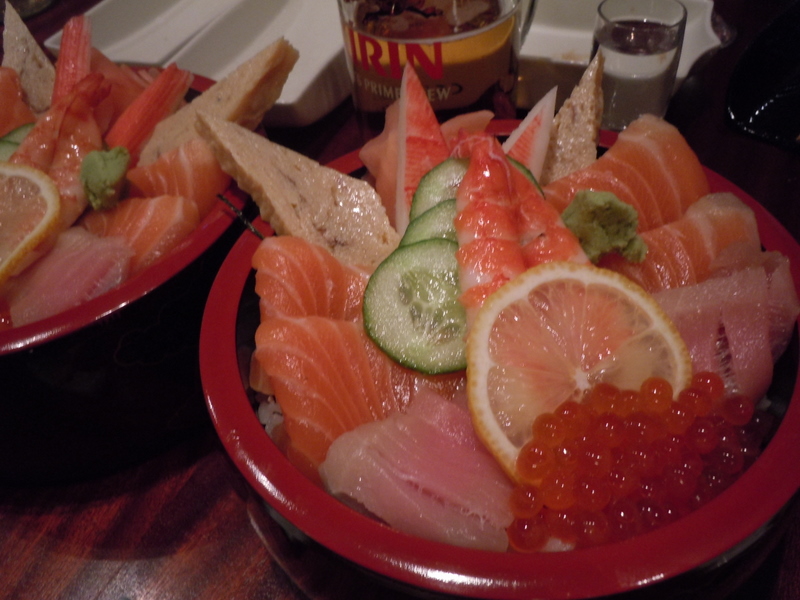
Mark Rubin said it best in his blog Chasing The Fat Man when he wrote that Klezmer is the vernacular music of the Yiddish world. "Klezmer" is a term only genuinely applied to the recent revival of Yiddish dance music. It's a construct, a re-imagination, made up in some cases whole up cloth from people who have only a tangential relationship to the culture that the music originally sprang from… there is no “klezmer” music, there is simply a Yiddish vernacular performance style. Thus, any tune can conceivably be played in a Yiddish style and thus made Yiddish, when filtered through the experience of the Yiddish vernacular speaking Jews of Eastern Europe. With an opinion like that coming from one of the best Klez musicians, it is easy to see why the Krakow festival works so well. It allows the different strains of Jewish music to stretch out and grow. By bringing in some of the best musicians in the Jewish music world (notice I didn't narrow that down to just “Yiddish”) the Krakow festival becomes a fertile ground for new ideas among the musicians, for new cooperation between bands, for meeting people, jamming, and just the general “hang”, which Rubin says is one of the three pillars for accepting any gigs (the other being pay and quality of music.) And the hang at Krakow was excellent.First of all, it gives us a chance to hang with our singing clarinetist (and cantor) Jack “Yankl” Falk, who lives far away on the other side of the planet and only gets to Europe when the stars are aligned correctly and there is something like the Krakow festival or a major tour for the band.And why not stick Yankl alongside the legendary Bobov cantor Benzion Miller for some otherworldly scat nigun singing on the basis of Dave Tarras and Moishe Oyser's “Stanton Street / Chassidic In America” arrangement. Hey, and let's throw in cantorical world music wonder boy Jeremiah Lockwood of the Sway Machinery for good measure? Now are we satisfied? Michael Alpert is another friend who I actually hang with more on the road at festivals than at home in New York.He was presenting a program of music reflecting his decades of working with Julian Ktasty, the New York Ukrainian American bandurist who is one of the leaders in the revival of the bandura tradition (Stalin murdered all the existing Ukrainian bards in the 1930s in his effort to destroy Ukrainian identity.) And where there is an Alpert, it is not unlikely to find Stu Brotman playing bass.Stu – whose roots go back to the psychedelic 1960s in Los Angeles (he was in the original Canned Heat and the band Kaleidescope) is always welcome to any jam session since he carries his specially setup folk bass (basy) designed for portability (just look for the little man with a bath tub strapped to his back.) Stu was one of the silent masterminds behind the whole Klezmer revival, producing early LPs by the Klezmorim and Maxwell Street bands, as well as holding down the bass clef in Brave Old World. I caught up with him at the dance workshops led by Steve Weintraub.Steve is a professional Broadway choreographer as well as a dance ethnologist, and his first love is to get ordinary people up and dancing, and let them get fussy about the ethnography later. So he teaches small sets of fun dances with a vocabulary of hand movements and short figures that allow even the most club-footed of dancers participate. Yes, people have fun at Steve’s workshops. Hmmm… maybe we should all learn from that. And of course, Le Roi de Brass Klezmer Hizzonner Frank London - seen here beside Latvian songbird Sasha Lurje.I know frank from way back in Boston in the last century, when the Klezmer Conservatory band was starting out and we used to meet at latin jazz sessions in Alston’s sprawling hippy ranches for jam sessions. When Frank moved to New York he roomed with my buddy, drummer Samm Bennett for a while and we stayed in touch over the years as the Klezmatics took off and brought them regularly to Budapest (Frank would occasionally bring me vacu-packed pastrami from Katz’s when he was on tour.)Frank met me after our gig at the big Synagogue with a bottle of home brewed Polish Jewish slivovitz that he scored and we were off to dinner at the Kura Japanese Restaurant with Roger Davidson and some of the other musicians. The Kura is the only Japanese restaurant in Krakow with a Japanese chef and so Fumie and I ate there as often as possible. Which was a lot. And what Chinese food was to earlier generations of New York Jewish musicians, Japanese food is today.Yes, it was good. And when you compare the prices to Japanese food in Western Europe or the USA (or even Tokyo) it was excellent value for the quality and service. Of course, we were in Poland... and as soon as we got into our Hotel Painted Birdster Dan Kahn turned us onto a tiny pierogi bar - the Vincent - just around the corner where we could load up on excellent lamb-stuffed dumplings in garlic sauce for only four Euros.Bewteen fruit peirogis and home style real ramen noodles and sushi, Kazimierz is the perfect spot for the perfect Klezmer hang.
Monday, July 04, 2011

The Festival of Jewish Culture, Krakow.

The 21st Festival of Jewish Culture in Krakow, Poland took place last week and I was honored and excited to take part as a performer with Di Nayes. It is a festival like no other – ‘festival’ hardly describes how the entire city quarter of Kazimierz is transformed for a week into a center for Jewish and Yiddish culture including concerts, workshops, gallery exhibits, museum presentations, dance, and food. It is pure nakhes to be there, not the least because it gives us Klezmer musicians a chance to spend some real quality time hanging with each other, hatching new musical projects, and meeting the people who actually listen to us and sipping coffee with them in the many cafes that have sprung up in Kazimierz. A lot of writers have mentioned the supposed irony of the Jewish revival in Kazimierz since the release of the film “Schindler’s List” but to visit Krakow during the festival is to see how a small but dedicated group of people – Poles trying to recover the multicultural heritage of their country – can make an annual festival the cornerstone of a cultural movement that ensures that the Jewish culture of Krakow endures all year long. The founder of the festival, Janusz Makuch, is well known to all of us dealing in East European Jewish culture. Janusz embraces the old multicultural heritage of Galicia – the southern Polish region that anchors itself to the urban center of Krakow.Not born as a Jew, as a young man Janusz learned that half of his town was once Jewish, which lead him to learn Hebrew and Yiddish and study the works of Polish Jewish literature and folklore. Janusz introduced himself to an audience in Israel a few years ago this way: “My name is Janusz Makuch and I come from Poland. I come from a country of rabbis and tzaddikim, gaons and melameds, from a country of Jewish sages, writers, bankers, architects, painters, doctors, shoemakers and tailors, physicians and politicians, scientists and Jewish soldiers, from a country of devout, good people… I come from a country of anti-Semites and goodhearted people and the greatest number of Righteous among the Nations… from a country of countless shtetls, yeshivas and Hassidic courts, from a country of Jewish autonomy and pluralism and I come from a country of pogroms and murder. I come from a country whose greatness was co-created by Jews who were Polish citizens. And I come from a country that after the war kicked out Polish citizens who were Jews. I come from a country of anti-Semitic madness where they burned Jews in barns. And I come from a country of Christian mercy where they hid Jews in barns. My name is Janusz Makuch. I come from Poland and I am a goy, and at the same time for more than 20 years I have created and run the largest Jewish culture festival in the world. I'm a Jewish Pole - and I'm proud of it." That is about as cogent a sense of Janusz as I could find, and it shows the depth of commitment and understanding that motivates the Krakow Jewish Culture festival and sets it head and shoulders above so many other festvals working with a similar theme.A festival has to be more than a charismatic organizer – and Janusz leads an office of organizers unlike any other festival I have been to. Patient, efficient, with an endless well of good humor, Kasia, Robert, and a small army of young volunteers guarantee that everything flows smoothly, no small task when dealing with dozens of musicians and artists’ bruised egos and lost luggage. While there are other good Jewish music frestivals in Europe – London comes to mind, as well as the projects coming via Paris’ Medem – Krakow is the Big One. (This makes me more than a little ashamed to even think about the ridiculous schmutzerei that is Budapest’s idea of a Summer Jewish Festival – a festival that can’t ever seem to find any decent Jewish music or arts even with a budget large enough to float the Titanic. But then Hungary is not Poland.)And then there are the venues – especially the glorious Tempel Synagogue where we played our big concert. A classic 19th century Moorish Revival style synagogue restored to a fully functional state with excellent acoustics and room for a large audience, this was a place that could serve performers as intimate as Lauren Sklamberg and Frank London’s Tsuker Zis Project, and as big and party happy as the amazing show by Jeremiah Lockwood and The Sway Machinery with guest Sarahwi singer from Mali, Khaira Arby.Lockwood has done amazing things using cantorical music and has also done some amazing work that has been documented on the Nigun Project via New York's The Forward web site, but he has deep roots in country blues and with a lineup including alumni from the New York Afrobeat band Antibalas they simply blew me away. Late at night the crowd gathered at the funky Alchemia Club next to the old market for late night jams led by Paul Brody with a changing cast of musicians. And then there is the big closing concert at Szeroka Square – the Mother of All Jewish Music concerts, ever. From Israel came the stunning and innovative Yemen Blues. This year the special guest – nobody can be said to be the ‘headliners’ here – was Abraham Inc., a project that and… Fred Wesly, the trombone player from the legendary James Brown Band in teams clarinetist David Krakauer with DJ Socalled Josh Dolgin the 1960s and 70s.Yes, the driving sound behind “Hot Pants” and “Say it loud, I’m Black and Proud” before joining my all time favorite funk band Parliament-Funkadelic and leading their offshoot The Horny Horns. Yes, that Fred Wesly, pumping out funky horn lines behind Yiddish samples mixed by Socalled and held up by one of the best lineups of contemporary funk I have seen in years. And that's just the finale. Dan Kahn and Painted Bird had to leave early, but their show was one of the most memorable of the concert series - most of the shows are available on the festival website – including ours (Scroll down for Di Naye Kapelye.) I could go on and on… which it already seems that I have… but I will save it for a post later this week. There is so much to talk about… and I still have to go through my photos and unpack my bags and put all the instruments away… Serdecznie dziÄ™kujÄ™, Krakow!

Thursday, June 16, 2011

The Mansions of OaĹź, the Trout of Mara.

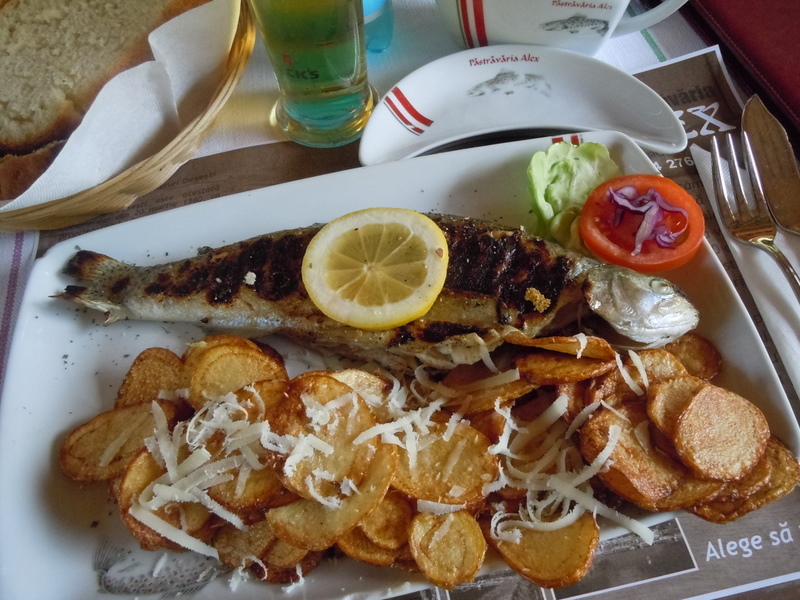
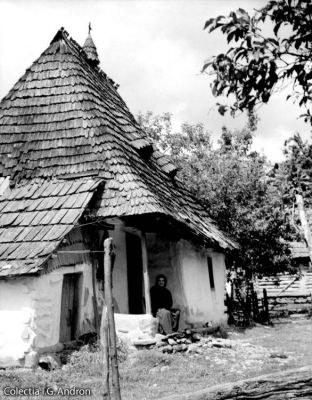
In the time since I last posted about the wonderous MaramureĹź region of Romania,, a call came in, a gig was secured, and within days I was back in a 1983 Toyota coughing its way across the border and back to MaramureĹź. So, yes, there will be a lot of Romaniacentric posts in the next few weeks, and yes, I urge all of you readers to visit Romania this summer and enjoy the hospitality offered by the people of this amazing country. One of the reasons MaramureĹź is so stubbornly unique is simple: it is damn hard to get there. Sure, you can take a bus from Cluj or Satu Mare, and there is a train line, a long, inconvenient one, but coming from Hungary by car means a choice of two roads: either the northern approach driving from Satu Mare through the OaĹź region (through NegreĹźte-OaĹź, Certeze, and the mountain pass at Huta) or the southern approach (via Baia Mare and Cavnic.) We did both so you don’t have to. First we crossed the border into Satu Mare (Szatmar in Hungarian, and Satmar in Yiddish.)Satu Mare is the town from which the numerous Satmar Hassidic Jews of Brooklyn get their name, and although there are very few Jews (and no Hasids) left, we did see this surprising license plate (The SM stands for “Satu Mare.") Man, I’d love to cruise down Division Street in Williamsburg with those plates. Driving east from Satu Mare we hit Livada, and took the road north through the OaĹź country. It was strawberry time in Satu Mare and we stopped several times to buy buckets of delicious sweet strawbs from Gypsies along the side of the road.These were some of the best berries I ever tasted, and Fumie easily “drank” down a kilo and a half before we hit Maramures. The OaĹź country is lowland MaramureĹź, and until 1990 was one of the poorest regions of Transylvania, known to most people for a screaming fiddle music accompanied by asymmetric howling vocals. Like a lot of MaramureĹź farmers, the OaĹźeni began to go abroad for jobs, especially construction jobs in Italy. Back in the 1990s a lot of the OaĹź villages still looked like this:Today, after nearly everyone has spent the last decade working on construction sites in France and Italy - to the point where you are likely to hear Italian spoken on the streets of the village as the "cool" language - they look like this:Especially in the village of Certeze – which is called ‘the richest village in Romania - the locals came home and began building immense, modernistic Mediterranean mansions like the ones they had worked on in the suburbs of Milan, competing with the neighbors for the most ornate and impressive. This house, though, takes the cake.Apparently this house is famous throughout MaramureĹź – the guy built it to impress a woman to marry him, but, as it goes, just as he finished it she divorced him. So sad. And onward to the Huta pass, at which point the county line passes into MaramureĹź and the road deteriorates into a mess of potholes. Not just any pothole. These are axle-shattering, rim bending, tire destroying mountain road craters that lie in wait for any unsuspecting vehicle. Do not even think of driving this road at night.The fifty kms between Huta and the main town of Sighet becomes a tiresome stretch of pothole dancing and avoiding trucks and cars veering into your lane to avoid their potholes. On the way out of MaramureĹź we decided to try a different route: south from Sighet towards Baia Mare aqnd then up towards Satu Mare again. And guess what? No potholes, at least none of the Mother of all Asphalt Craters we met on the way in.And the added bonus was we got to have lunch in the village of Mara at the Alex Pastravaria, a trout farm and restaurant that lies along the road just before the mountain pass at Cavnic. Now, I like trout. I like to fish for them, and I like to eat them, particularly rainbow trout, which are about as perfectly synthetic a fish as can ever be devised.Originally a localized species of trout from California, the rainbow trout has been bred and fish farmed into the genetic equivalent of Wonder Bread, and spread throughout the world as an easy to stock alternative to brown tout, with the added advantage that it rarely adapts to its introduced environments enough to breed on its own, making it the perfect put-and-take fish. Rainbows can live in slightly warmer waters than wild brown trout, and can tolerate pollution better, and quite honestly, they taste better than wild trout, which is a good reason to release any wild brown you catch and feast on farm fresh rainbows instead. Which we did.For the insane price of about EU 3 (US$5) you get a hefty grilled or fried trout with crispy fried potatoes and their signature sauce of sour cream and garlic. And you can eat it sitting on a wooden bridge watching trout swim past you as you chow down on their brethren.Driving south, we threaded through the hairpin curves along the Cavnic pass and finally reached the dusty industrial plain around Baia Mare, and headed north to the Hungarian border. Guess what? No potholes. Slightly longer route, but we could drive it faster than the northern route to MaramureĹź. So it looks like the next time I cross through the OaĹź country I will probably be there on a new mission: I need to record more of their crazed, wild fiddle music.The OaĹźeni like to scream their lyrics above the melody played on a modified violin. In order to get the higher pitch, they tune the fiddle string nearly to the breaking point, and then push the violin bridge nearly up to the fiddle neck itself, thus shortening the scale of the strings. Rather like capoing a fiddle. The result is a clear, bell like shimmering sound that is unique to the region. Master musician Ion Pop of Hoteni had a fiddle set up in OaĹź fashion and played us a few tunes.